That tight, squeaky-clean feeling after washing your face?
That's not cleanliness. That's damage.
Many of us are taught that clean skin means squeaky-clean skin. In reality, over-cleansing, harsh exfoliation, and aggressive antibacterial products can disturb the delicate balance of your skin microbiome. These practices do not just remove dirt, they remove beneficial microbes and damage the skin barrier. The result can be increased sensitivity, irritation, and sometimes more breakouts, not fewer. Gentle care is not just kinder to your skin, it is kinder to your microbiome.
It's the sensation of stripped lipids, disrupted pH, and a microbial ecosystem in crisis. For generations, skincare marketing has equated aggressive cleansing with hygiene and health, promoting antibacterial soaps, alcohol-laden toners, and abrasive scrubs as essential tools for clear skin. But modern microbiology tells a different story: your skin is not meant to be sterile, and the quest for squeaky-clean can backfire spectacularly.
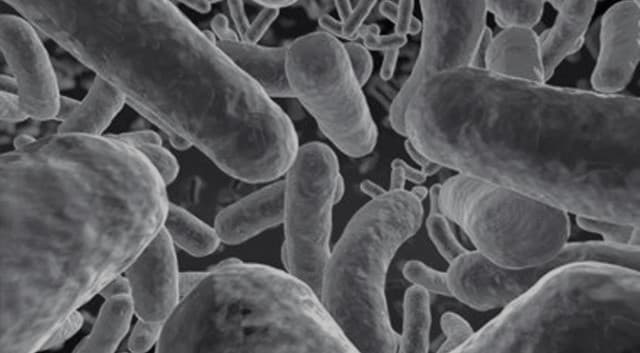
Your skin microbiome, the complex community of bacteria, fungi, and viruses living on your skin, exists in a delicate equilibrium. Beneficial microbes outcompete pathogens, produce antimicrobial compounds, regulate inflammation, and support barrier function. Harsh skincare products disrupt this balance, killing good microbes alongside bad ones, shifting pH, stripping protective lipids, and creating an environment where opportunistic pathogens can flourish. The irony is brutal: the more aggressively you cleanse to prevent breakouts or irritation, the more you may be causing them.
In this article, you'll learn exactly what harsh products do to your skin microbiome at a microbial and molecular level, why disruption leads to skin problems rather than solving them, which specific ingredients and practices are most damaging, and how to clean your skin effectively without destroying the ecosystem that protects it. Because clean skin and healthy skin are not the same thing. And true skin health begins with microbial wisdom, not microbial warfare.
What Makes a Product "Harsh" for the Microbiome?
Harshness is not just about subjective irritation. It's about measurable disruption to microbial communities and skin barrier function. Products become harsh through several mechanisms.
pH Disruption
Healthy skin maintains a slightly acidic pH of approximately 4.5 to 5.5, often called the acid mantle.1 This acidity is essential for microbial balance, as it selectively favors beneficial commensals like Staphylococcus epidermidis and Cutibacterium acnes while inhibiting pathogenic bacteria such as Staphylococcus aureus.2
Traditional bar soaps are highly alkaline, with pH values often between 9 and 10.3 A single wash with alkaline soap raises skin pH for hours, and repeated use can shift baseline pH upward, creating an environment favorable to pathogenic colonization.3 Studies show that even transient pH elevation impairs the activity of enzymes necessary for barrier lipid synthesis and antimicrobial peptide function.4
Lipid Stripping
The skin barrier depends on intercellular lipids (ceramides, cholesterol, free fatty acids) for water retention and structural integrity. Harsh surfactants, particularly anionic detergents like sodium lauryl sulfate (SLS), solubilize and remove these lipids.5 Lipid stripping has cascading effects: increased transepidermal water loss (TEWL), barrier dysfunction, and alteration of the lipid-rich microenvironment where certain microbes thrive.6
Sebaceous lipids also nourish lipophilic (oil-loving) bacteria like C. acnes and Malassezia fungi.7 Over-cleansing removes sebum, disrupting the ecological niches these organisms occupy and potentially causing compensatory sebum overproduction, a rebound effect that can worsen oiliness and acne.8
Antimicrobial Agents
Antibacterial ingredients like triclosan, triclocarban, benzalkonium chloride, and high-concentration alcohol kill microbes indiscriminately.9 While effective against pathogens, they equally devastate commensal populations. The microbial vacuum left behind is often filled by opportunistic organisms with faster regrowth rates or antibiotic resistance.9
Triclosan, once ubiquitous in consumer products, has been shown to reduce microbial diversity, alter community composition, and promote antibiotic-resistant strains.10 Its use in household soaps was banned in the United States in 2016, but it persists in some personal care products globally.10
Physical Abrasion
Scrubs, brushes, and exfoliating tools physically remove the stratum corneum, the outermost layer where much of the microbiome resides.11 Aggressive exfoliation doesn't just remove dead skin cells; it removes the microbial biofilms adhering to them, disrupts the barrier, and creates micro-injuries that can serve as pathogen entry points.11
How Harsh Products Disrupt Microbial Balance
The skin microbiome is not a random assortment of microbes. It's a structured community where species interact, compete, and cooperate. Disruption triggers predictable ecological shifts.
Loss of Microbial Diversity
Diversity is a hallmark of ecosystem health. Diverse microbial communities are more resilient, more resistant to pathogen invasion, and better able to recover from perturbations.12 Harsh products reduce diversity by preferentially killing sensitive species while sparing resistant ones.
Studies using 16S rRNA sequencing (a technique that identifies bacterial species) show that a single application of antibacterial soap significantly reduces microbial richness and evenness, effects that can persist for 12 to 24 hours or longer with repeated use.13 Loss of diversity creates instability, making the microbiome vulnerable to dysbiosis (microbial imbalance) and pathogen overgrowth.13
Overgrowth of Opportunistic Pathogens
When beneficial microbes are depleted, opportunistic pathogens move in. Staphylococcus aureus, a notorious skin pathogen, is normally suppressed by S. epidermidis through competitive exclusion and production of antimicrobial peptides.14 When S. epidermidis populations are reduced by harsh cleansing, S. aureus colonization increases, particularly in individuals with atopic dermatitis.14
Similarly, overgrowth of Malassezia fungi has been linked to conditions like seborrheic dermatitis and pityrosporum folliculitis, often triggered by disruptions in bacterial communities that normally keep fungal populations in check.15
Shift Toward Pro-Inflammatory Communities
Not all microbial changes cause immediate infection. Subtler shifts in community composition can promote chronic low-grade inflammation. Certain bacterial strains, even within the same species, have different inflammatory profiles.16
For example, in acne, C. acnes is always present, but specific phylotypes (genetic variants) are associated with inflamed lesions while others correlate with clear skin.17 Harsh anti-acne treatments that indiscriminately kill all C. acnes may remove protective strains, allowing inflammatory strains to dominate during recolonization.17
Impaired Microbial Communication
Skin microbes communicate through quorum sensing, a process where bacteria release and detect chemical signals to coordinate behavior.18 These signaling networks regulate biofilm formation, antimicrobial production, and immune modulation.18 Harsh products that fragment microbial communities disrupt quorum sensing, impairing collective microbial functions that protect skin health.18
The Vicious Cycle: How Harsh Products Worsen Skin Problems
The most insidious aspect of harsh skincare is that it often creates the very problems it promises to solve, trapping users in a cycle of escalating product use and worsening skin.
Increased Sensitivity and Irritation
Barrier damage and microbial dysbiosis increase skin sensitivity. A compromised barrier allows irritants and allergens to penetrate more easily, while dysbiotic microbial communities amplify inflammatory signaling.19 The result is skin that stings, burns, and reacts to previously tolerated products, prompting users to try even harsher "corrective" treatments.19
Rebound Oiliness and Acne
Aggressive cleansing strips sebum, triggering sebaceous glands to compensate by producing more oil, often in excess.8 This rebound sebum production can worsen acne, particularly when combined with a dysbiotic microbiome that favors inflammatory C. acnes strains.17 Users then cleanse more aggressively to combat oiliness, perpetuating the cycle.
Chronic Dryness and Barrier Dysfunction
Lipid stripping from harsh surfactants increases TEWL and dehydrates the stratum corneum.5 Chronic dehydration impairs desquamation (natural skin shedding), leading to flaking and rough texture. Users often respond by adding more products, including exfoliants, which further damage the barrier rather than addressing the root cause.5
Microbiome Dependency and Fragility
Repeated microbial disruption can create a state of dependency where the microbiome cannot recover to a stable, healthy state without intervention.20 Skin becomes "addicted" to products, unable to self-regulate, requiring constant topical support to maintain even marginal function. This fragility is the opposite of skin resilience.20
The Worst Offenders: Products and Practices to Reconsider
Not all skincare is created equal. Some practices are particularly damaging to the microbiome.
Antibacterial Soaps
Unless you're a surgeon preparing for an operation or handling raw meat, antibacterial soaps are unnecessary and harmful for routine hand and face washing.10 Regular soap and water are sufficient for hygiene, and they cause far less microbial disruption.10 The FDA concluded that antibacterial soaps provide no health benefit over regular soap and may pose risks, including antibiotic resistance and hormonal disruption.10
Astringent Toners with High Alcohol Content
Toners containing denatured alcohol (often listed as alcohol denat., SD alcohol, or isopropyl alcohol in high concentrations) are profoundly drying and antimicrobial.21 They strip lipids, disrupt pH, and kill surface microbes. While they may temporarily reduce oiliness, they trigger rebound sebum production and barrier damage.21
Foaming Cleansers with Harsh Sulfates
Sodium lauryl sulfate (SLS) and sodium laureth sulfate (SLES) are effective surfactants, but they're too effective, removing not only dirt and makeup but also barrier lipids and beneficial microbes.5 Gentler alternatives include coco-glucoside, decyl glucoside, and sodium cocoyl isethionate.22
Daily Physical Scrubs
Walnut shell scrubs, sugar scrubs, and harsh exfoliating tools used daily or even several times a week cause chronic micro-trauma, barrier thinning, and microbial disruption.11 Exfoliation should be infrequent and gentle, if used at all. Over-exfoliation is one of the most common self-inflicted causes of barrier damage.11
Overuse of Chemical Exfoliants
Alpha hydroxy acids (AHAs) like glycolic acid and beta hydroxy acids (BHAs) like salicylic acid can be beneficial in moderation, but daily or twice-daily use, especially at high concentrations, disrupts the stratum corneum structure, alters pH, and removes microbial habitats.23 The key is frequency and concentration, not categorical avoidance.23
Hot Water Cleansing
Hot water strips lipids more efficiently than lukewarm water, increasing TEWL and barrier damage.24 While it feels soothing, it's microbially and structurally damaging. Lukewarm water is sufficient for effective cleansing.24
How to Cleanse Without Destroying Your Microbiome
Effective cleansing removes dirt, oil, and environmental pollutants without decimating your microbial ecosystem or barrier integrity. This requires thoughtful product selection and technique.
Choose pH-Balanced, Gentle Cleansers
Look for cleansers with pH between 4.5 and 5.5, formulated with mild surfactants. Cream cleansers, oil cleansers, and micellar waters are often gentler than foaming formulas.22 If you prefer foam, choose syndet (synthetic detergent) bars or sulfate-free liquid cleansers.22
Cleanse Once Daily (Or Less)
Unless you wear heavy makeup or sunscreen, once-daily cleansing (in the evening) is often sufficient.25 In the morning, rinsing with water alone or using a gentle micellar water may be adequate. Over-cleansing provides no additional benefit and causes measurable harm.25
Avoid Antibacterial Ingredients
Skip triclosan, triclocarban, benzalkonium chloride, and high-concentration alcohol unless medically necessary.10 These ingredients offer no advantage for healthy skin and substantial downsides for microbial and barrier health.10
Limit Exfoliation
Reserve physical and chemical exfoliation for once or twice weekly at most, or eliminate it entirely if your skin is sensitive or compromised.23 The stratum corneum renews itself naturally every 28 to 40 days; you do not need to accelerate this process.26
Moisturize Immediately After Cleansing
Cleansing temporarily disrupts the barrier. Applying a moisturizer with barrier-repair ingredients (ceramides, cholesterol, fatty acids, niacinamide) immediately after cleansing supports recovery and minimizes TEWL.27 This is especially important if you must use a stronger cleanser (for example, to remove sunscreen or makeup).
Consider Microbiome-Friendly Formulations
Emerging products are being formulated specifically to preserve microbial diversity. These include prebiotics (nutrients that feed beneficial microbes), postbiotics (beneficial microbial metabolites), and pH-balanced formulas free from antimicrobial preservatives.28 While research is still evolving, these approaches represent a more ecologically informed skincare philosophy.28
The Cultural Shift: From Sterilization to Cultivation
The damaging effects of harsh skincare reflect a deeper cultural misunderstanding about microbes. For over a century, the germ theory of disease taught us that bacteria are enemies to be eliminated. This framework revolutionized medicine and public health, saving countless lives. But it also created a societal obsession with sterilization that extended far beyond necessary hygiene.
We sanitize our hands dozens of times daily. We fear dirt. We market "antibacterial everything." And we've applied this scorched-earth mentality to skincare, with consequences we're only beginning to understand.
The microbiome revolution demands a paradigm shift. Microbes are not invaders; they're inhabitants. They're not tolerated; they're essential. Your skin is not a surface to be sterilized but an ecosystem to be cultivated. This doesn't mean abandoning hygiene. It means practicing intelligent hygiene: removing genuinely harmful substances (dirt, pollutants, pathogens introduced from external sources) while preserving the resident community that protects you.
Gentle care is not weakness. It's ecological wisdom. It recognizes that your skin knows how to be clean, that your microbiome knows how to defend itself, and that your barrier knows how to repair itself, provided you stop interfering with those processes.
The squeaky-clean ideal is an artifact of marketing, not biology. Real cleanliness is invisible. It's microbial balance, barrier integrity, and skin that functions so well you hardly think about it. That's the goal. And it starts with putting down the harsh products and picking up gentleness instead.
Your skin will thank you. And so will the trillion microbes working quietly to keep it healthy.